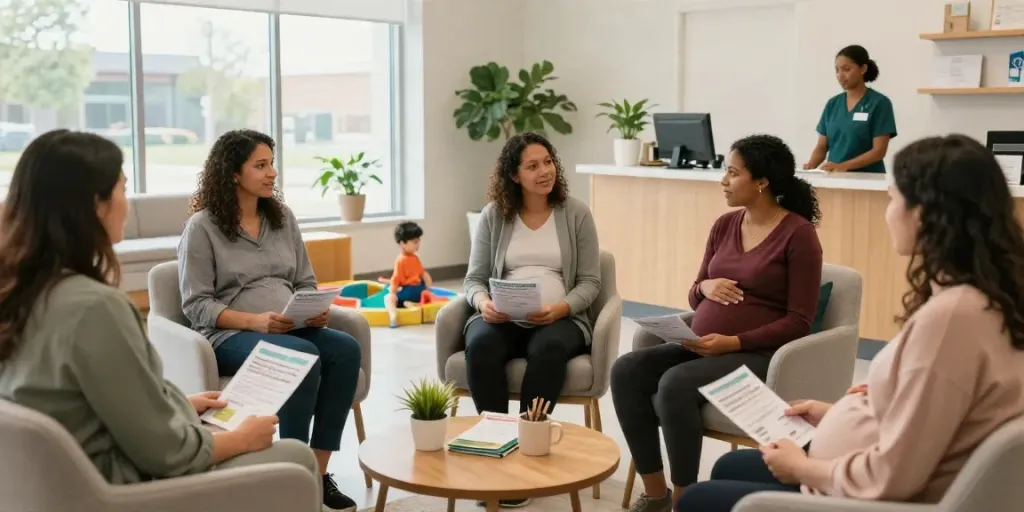
Understanding Wyoming's Prenatal Care Landscape
The landscape of prenatal care in Wyoming has transformed significantly over the past few years, revealing critical gaps that affect expecting mothers and their families. With a growing awareness of the challenges faced by pregnant individuals, the focus has shifted towards initiatives like Wyoming’s Due Date Plus prenatal care study, which aims to address these issues head-on. This article explores the current state of prenatal care in Wyoming, highlighting statistics, challenges, and the promising developments being made in maternal health.
Overview of Prenatal Care Gaps in Wyoming
Wyoming has been facing a severe shortage of maternity care providers, particularly in rural areas where access to healthcare is limited. Many counties lack obstetricians or maternity care services, compelling many expecting mothers to travel long distances for routine check-ups and deliveries. This geographical disparity has raised alarms among health officials and policymakers alike, necessitating studies and initiatives directed at improving access and quality of prenatal care.
Current Statistics on Maternal Health in 2026
Recent statistics underscore the urgency of addressing maternal health issues in the state. A significant drop in the percentage of women accessing prenatal care during their first trimester has been recorded, falling from 78.3% in previous years to just 75.5% in 2024. Moreover, the Wyoming Health Department reported that nearly half of the state’s counties did not have a practicing OB-GYN by 2024. This alarming trend has direct implications on birth outcomes and the overall health of mothers and infants alike.
Challenges for Expecting Parents Seeking Care
Expecting parents in Wyoming encounter various obstacles in securing necessary prenatal health services. Many face logistical challenges due to the limited availability of healthcare providers. Additionally, there is a lack of public awareness about the importance of early prenatal care, which can lead to delayed pregnancies and heightened risks of complications. The interplay of socio-economic factors further complicates access to essential services.
Key Features of the Due Date Plus Study
Objectives of Wyoming’s Due Date Plus Study
The Due Date Plus study is designed with clear objectives aimed at bridging the existing gaps in prenatal care. By analyzing the barriers faced by expecting mothers, the study seeks to enhance the accessibility of services across Wyoming, particularly in underserved areas. Additionally, it aims to develop strategies that not only elevate the quality of maternal health care but also lead to better health outcomes for mothers and their babies.
Methodology of the Prenatal Care Research
The methodology adopted for the Due Date Plus study involves quantitative and qualitative research approaches. Surveys and focus groups will gather insights from mothers, healthcare providers, and community organizations to identify pressing issues and potential solutions. The aim is to create a comprehensive understanding that respects the nuances of rural healthcare dynamics while drawing actionable conclusions.
Expected Outcomes and Impact on Maternal Health
By fostering collaboration between health agencies, legislators, and community organizations, the Due Date Plus study is expected to prompt significant improvements in maternal health care accessibility. Outcomes may include increased funding for maternal health programs, improved training for healthcare providers, and the establishment of telemedicine services to reach remote populations.
Comparative Analysis with Other States
How Wyoming Stands Against National Averages
When comparing Wyoming with national averages, it becomes apparent that the state is lagging in critical areas of prenatal care. The national average for timely access to prenatal care is significantly higher than Wyoming’s, indicating an urgent need for intervention. Furthermore, maternal mortality rates in Wyoming exceed the national average, highlighting the dire implications of inadequate prenatal care accessibility.
Lessons from Successful Prenatal Programs Nationwide
Examining successful prenatal care programs across the United States reveals several best practices that can be implemented in Wyoming. States that have successfully improved maternal health outcomes often employ a multi-faceted approach, integrating community health workers, utilizing telehealth services, and increasing funding for women’s health initiatives. Lessons learned from these programs can inform the strategies developed through the Due Date Plus study.
Unique Factors Influencing Wyoming’s Maternity Care
Wyoming’s vast geographical expanse, low population density, and economic factors significantly influence maternity care services. The cultural attitudes towards healthcare, combined with the state’s rugged terrain, create unique challenges not seen in more densely populated areas. Understanding these factors is crucial in developing state-specific solutions to enhance maternal healthcare.
Community Involvement and Support Networks
The Role of Local Organizations in Maternal Health
Local organizations play a pivotal role in advocating for and providing support to expecting mothers in Wyoming. These groups often serve as intermediaries between healthcare providers and families, helping to disseminate important information and resources. Community-led initiatives can create supportive networks that bolster maternal wellness and foster a sense of belonging among new and expecting parents.
How Families Can Get Involved
Families can actively participate in improving maternal health by engaging with local organizations, attending community health events, and advocating for better prenatal care policies. Establishing support groups and sharing personal experiences can also enhance emotional support for expecting parents, creating a more nurturing environment during pregnancy.
Personal Stories: Impact of Support Networks
Personal stories from women who have navigated Wyoming’s healthcare system illustrate the transformative power of support networks. Many have found solace and assistance from local organizations, which have helped them overcome barriers to care. These narratives highlight the importance of community engagement and serve as a reminder that collective action can lead to meaningful change in prenatal care accessibility.
Future Trends in Prenatal Care for Wyoming
Innovation in Maternity Health Services by 2026
As Wyoming progresses towards 2026, several trends in innovation are expected to reshape maternity health services. Increased integration of telehealth services is one key area where growth is anticipated. Telemedicine can alleviate geographical barriers, allowing expecting mothers to receive prenatal consultations and follow-ups without the need to travel great distances.
Legislative Changes Affecting Prenatal Care Accessibility
Legislation plays a critical role in shaping the future of maternal health care in Wyoming. As awareness of the challenges faced by expecting mothers grows, policymakers are likely to prioritize maternal health initiatives, pushing for increased funding and resource allocation to bridge the gaps in care.
Predictions for Maternal Health Improvements
With ongoing initiatives like the Due Date Plus study, there is optimism for significant improvement in maternal health outcomes in Wyoming. By 2026, we can expect to see a rise in the number of women receiving timely prenatal care, improved maternal education programs, and a decrease in pregnancy-related complications.
What Are the Long-Term Benefits of the Wyoming Study?
The long-term benefits of the Wyoming Due Date Plus study extend beyond immediate enhancements in prenatal care. By establishing a model that prioritizes maternal health, future generations can experience the positive impacts of improved maternal care programs, ultimately contributing to healthier communities and reduced healthcare costs.
FAQs on Prenatal Care Challenges and Solutions
What is Prenatal Care and Why is it Important?
Prenatal care refers to the medical attention received by a woman during her pregnancy. It includes regular check-ups, screenings, and education on health practices for a healthy pregnancy. Engaging in prenatal care is vital as it helps detect potential health issues early and ensures both mother and baby are closely monitored throughout the pregnancy.
How Many Prenatal Visits Should Expecting Mothers Have?
Expecting mothers should ideally have around 10 to 14 prenatal visits throughout their pregnancy. These visits are critical for monitoring the health of both the mother and baby, allowing healthcare providers to provide essential care and education.
What Are Common Prenatal Care Practices?
Common practices in prenatal care include routine physical examinations, blood tests, ultrasounds, and discussions about nutrition and lifestyle choices. Moreover, prenatal classes may also be offered to educate expecting parents on what to expect during pregnancy and delivery.
How Can Community Support Enhance Prenatal Care?
Community support can significantly enhance prenatal care by providing emotional, informational, and practical assistance to expecting mothers. Initiatives such as community health fairs, support groups, and local parenting workshops can foster strong connections among families, creating a supportive environment during pregnancy and beyond.
What Are the Latest Findings in Prenatal Care Research?
Emerging research indicates that addressing social determinants of health is essential for improving prenatal care access and outcomes. Studies emphasize the significance of mental health support, the impact of socioeconomic factors, and the value of integrated services in ensuring comprehensive maternal care.