The Importance of Choosing the Right Crayon Supplier
In the vibrant world of art supplies, selecting a reliable crayon supplier is paramount for artists, educators, and businesses alike. The choice of crayons can significantly impact the quality of artwork and educational outcomes, making it essential to understand the different types of products available on the market. From wax to fabric and eco-friendly options, the right supplier can provide not only quality but also insight into the latest trends and technologies within the industry.
Understanding the Different Types of Crayons Available
Crayons have evolved beyond the basic wax sticks that many remember from childhood. Today, there are several distinct types offering unique properties:
- Wax Crayons: These classic options are inexpensive and come with a lower minimum order quantity (MOQ), making them accessible for bulk purchases, especially for schools and art programs.
- Plastic Crayons: Known for their durability and variety in shapes, plastic crayons are favored for creative projects and can withstand harsher conditions compared to traditional wax.
- Fabric Crayons: These innovative crayons allow for drawings on fabric that can withstand washing without fading, making them a favorite among artists who work on textiles.
- Beeswax Crayons: Offering a more eco-friendly alternative, beeswax crayons are made from natural ingredients and appeal to environmentally conscious consumers. They provide a unique texture and depth in coloring.
Evaluating Quality Over Price in Crayon Supply
When sourcing crayons, it can be tempting to choose options based solely on price. However, quality plays a crucial role in determining the overall success of a project. High-quality crayons offer better pigmentation, durability, and user experience, which can affect both learning and creative expression. It is essential to evaluate the balance between cost and quality to ensure that the crayons meet the intended use while staying within budget constraints.
Key Factors When Selecting a Crayon Supplier
Choosing the right supplier involves careful consideration of several factors:
- Reputation: Researching the supplier’s background, customer reviews, and industry standing can provide insights into their reliability.
- Product Range: A supplier that offers a wide array of crayon types and styles can accommodate diverse needs and preferences.
- Customization Options: The ability to customize products, such as packaging or specific formulations, can be advantageous for educational institutions or businesses.
- Availability and Support: Consistent stock availability and excellent customer service can enhance the purchasing experience, ensuring that you receive products when needed.
Benefits of Using High-Quality Crayons in Art and Crafts
Utilizing high-quality crayons is not just a preference for artists; it directly affects the outcome of creative projects and educational experiences.
How Quality Affects Art Durability and Appearance
Quality crayons provide richer colors and better blending capabilities, which can enhance the overall appearance of artwork. Additionally, they are often more durable, allowing creations to withstand the test of time. In educational settings, superior quality crayons can encourage students to experiment with their art without the fear of their work fading or deteriorating over time.
Environmental Impact: Choosing Sustainable Crayon Options
As consumers become more environmentally conscious, the demand for sustainable art supplies grows. Beeswax crayons, for example, are made from natural materials that are biodegradable and safe for children. Using eco-friendly crayons can not only satisfy consumer preferences but also contribute positively to environmental conservation efforts.
The Role of Quality Crayons in Learning and Creativity
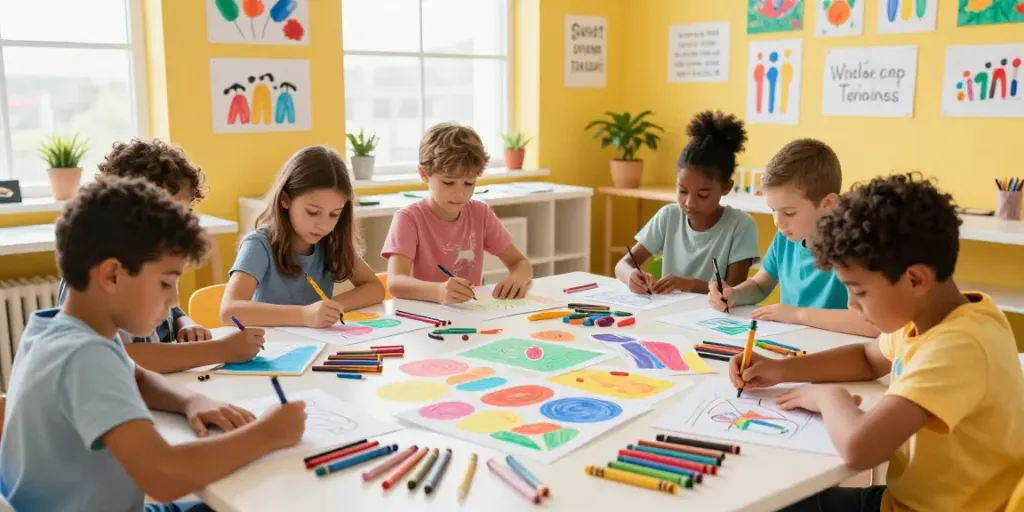
In educational environments, the tools used can significantly impact student engagement. High-quality crayons enable children to express their creativity fully, which can foster learning and development. Educators often find that students are more likely to engage in art projects when they have access to reliable and effective materials.
Challenges Faced When Sourcing Crayons for Schools
While sourcing crayons, schools and organizations can encounter various challenges that require careful navigation.
Common Misconceptions About Low-Cost Crayons
One prevalent misconception is that inexpensive crayons are equally effective as their higher-priced counterparts. While they may be affordable, low-cost crayons can often lack color quality, durability, and safety standards, leading to a subpar experience for users.
Managing Bulk Orders: MOQ and Supply Chain Concerns
When purchasing for schools or large organizations, understanding the minimum order quantities and managing supply chain logistics are essential. This includes coordinating delivery times and ensuring products meet educational standards and regulations.
Strategies for Building Strong Relationships with Suppliers
Developing a good rapport with suppliers can lead to better pricing, priority service during peak seasons, and access to innovative products. Regular communication, clear expectations, and feedback can help reinforce these relationships.
Best Practices for Using Crayons in Educational Settings
Effectively incorporating crayons into curriculums requires thoughtfulness and strategy.
Incorporating Crayon Art in Curriculums Effectively
Integrating crayon activities into lesson plans can enhance creativity and engagement. Art projects can be tied to subjects such as history or science, making learning multi-faceted and enjoyable.
Safety Standards and Regulations for Art Supplies
Ensuring that crayons meet safety standards is critical, especially for children. Suppliers should be able to provide documentation confirming that their products are non-toxic and compliant with applicable regulations.
Creative Activities That Engage Students with Crayons
Activities such as crayon resist painting, where children use crayons to create designs before applying watercolor paint, can spark creativity and exploration in art. Such hands-on experiences promote learning through play, making art a fun and educational venture.
Future Trends in the Crayon Industry for 2026 and Beyond
The crayon industry is continually evolving, driven by innovation and changing consumer preferences.
Emerging Technologies in Crayon Manufacturing
Advancements in manufacturing processes may lead to the development of new materials and techniques that enhance crayon performance. This could include innovations in packaging, sustainable materials, and even the formulation of crayons that change color or texture based on temperature.
Shifts in Consumer Preferences Towards Eco-Friendly Products
As sustainability becomes a more pressing concern for consumers, manufacturers will likely focus on producing eco-friendly options. This trend may include the expansion of beeswax and non-toxic formulations that appeal to responsible buyers.
Predicted Innovations in Crayon Design and Functionality
Future trends may also see the introduction of multifunctional crayons that allow for varied applications, such as dry-erase capabilities or dual-purpose designs that blend the properties of crayons and markers, catering to an increasingly diverse market.