
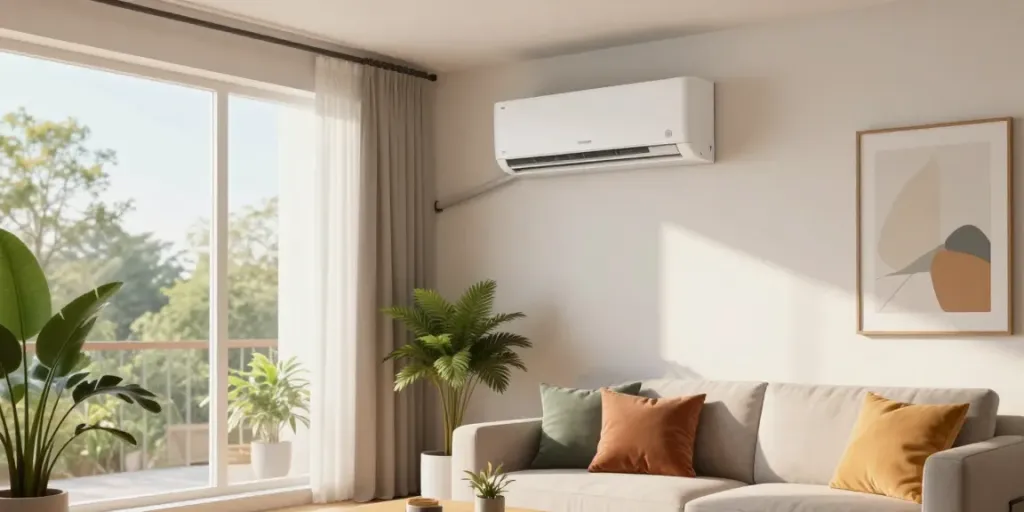
The Benefits of Mini Split Air Conditioners
As the pursuit for energy efficiency and comfort grows, many homeowners are turning to innovative solutions for heating and cooling their spaces. The mini split air conditioner is increasingly recognized for its advantages in modern home environments. This article explores the multiple benefits of mini split systems, from energy savings to versatile designs, that make them an appealing option for all types of residences.
Energy Efficiency and Cost Savings
Mini split air conditioners are known for their exceptional energy efficiency. Unlike traditional HVAC systems that use ducts, mini splits operate on a ductless system, which means homeowners can save significantly on energy bills. The SEER (Seasonal Energy Efficiency Ratio) ratings of mini splits often exceed 20, compared to average ducted systems which usually hover around 14-16. This high efficiency translates into better cooling for less energy, ultimately leading to substantial cost savings.
Moreover, mini splits come equipped with inverter technology, allowing them to adjust their cooling output based on the immediate demand. This not only enhances comfort but also reduces energy waste; when the desired temperature is reached, the system operates at a lower capacity, using less energy.
Space-Saving Design for Modern Homes
A significant advantage of mini split air conditioners is their compact design. Unlike large central units that require significant space for ductwork, mini splits consist of two main components: an outdoor compressor unit and one or more indoor air-handling units. This design allows for greater flexibility in installation, making them ideal for various spaces, including apartments, older homes, and any area where traditional ductwork is impractical.
Furthermore, the aesthetic appeal of mini splits cannot be overlooked. These units come in various styles and colors and can be mounted on walls, ceilings, or even installed as floor-standing units, ensuring that they blend seamlessly into any room's decor.
Enhanced Comfort Control for Different Rooms
With mini splits, homeowners can enjoy the luxury of zoning. Each indoor unit operates independently, allowing for customized temperature control in different rooms. This zoning feature means that you can avoid wasting energy cooling or heating rooms that are not in use. For large homes, multi-zone mini split systems can be particularly beneficial, as they cater to the specific heating and cooling needs of each space without the constraints of a central system.
This targeted comfort control contributes to a more pleasant environment, ensuring that everyone in the household can enjoy their preferred temperature settings without compromise.
How to Choose the Right Mini Split Air Conditioner
Choosing the right mini split system is essential for maximizing comfort and efficiency. Various factors need to be considered, including BTUs, room size, and the particular needs of your space. This section will guide you through the most critical considerations when selecting a mini split air conditioner.
Understanding BTUs and Room Size
BTUs (British Thermal Units) measure a unit’s cooling or heating capacity. When selecting a mini split air conditioner, it’s vital to choose a model with the appropriate BTU rating for the size of the room it will serve. As a rule of thumb, a space of about 400 square feet generally requires a unit with around 12,000 BTUs. However, factors such as ceiling height, insulation quality, and room usage can influence this requirement. Oversizing or undersizing a unit can lead to inefficient operation, affecting both comfort and energy consumption.
Considerations for Multi-Zone Systems
For homeowners with larger properties or those desiring localized climate control, multi-zone mini split systems offer the perfect solution. When exploring these systems, consider how many zones you plan to create and the ideal configuration of indoor units. Each zone can be programmed independently, giving you the flexibility to address varying comfort needs while optimizing energy use.
Evaluating Noise Levels and Aesthetics
Noise levels are another crucial factor in your decision-making process. Mini split systems are renowned for their quiet operation, typically generating sound levels between 19-30 decibels. This makes them an excellent choice for bedrooms or study areas where peace and quiet are essential. Additionally, aesthetic considerations should be evaluated, as the design and placement of indoor units can either enhance or disrupt your home’s overall style.
Installation Guide for Mini Split Air Conditioners
Proper installation is vital to the performance of your mini split air conditioner. This section outlines the essential stages of installation and offers practical advice to ensure a successful setup.
Professional vs. DIY Installation
While some homeowners may be tempted to tackle the installation of a mini split system as a DIY project, it’s generally advisable to hire a professional. Certified HVAC technicians have the necessary experience and knowledge to ensure that systems are installed correctly and efficiently, adhering to local building codes and regulations. Professional installation can also extend the life of the unit and optimize performance, providing peace of mind for homeowners.
Essential Tools and Equipment for Installation
If you choose to proceed with a DIY installation, you will require a range of tools, including a drill, level, stud finder, and wrenches. It’s also important to have refrigerant lines, electrical wiring, and the proper mounting hardware, which are often included in installation kits. Understanding how to use these tools and properly handle electrical components is crucial for ensuring safety and effectiveness.
Common Installation Mistakes to Avoid
Some common pitfalls during installation include improper placement of indoor units, inadequate sealing of refrigerant lines, and failure to follow manufacturer guidelines. Additionally, miscalculating the distance between the indoor and outdoor units can lead to performance issues. Always refer to the installation manual and, if in doubt, consult with a professional.
Maintenance Tips for Longevity and Performance
Maintaining your mini split air conditioner is key to ensuring its longevity and optimal performance. Here are some essential maintenance tips to consider.
Regular Cleaning and Filter Replacement
To keep your mini split running efficiently, it’s important to routinely clean both the exterior and interior parts, including the filters. Filters should be replaced or cleaned every one to three months, depending on usage. Dust and debris accumulation can block airflow and reduce efficiency, leading to increased energy bills and wear on the system.
Seasonal Inspections for Optimal Efficiency
Conducting seasonal inspections is recommended to catch potential issues early. Checking refrigerant levels, ensuring the outdoor unit is free of obstructions, and assessing electrical connections can help maintain system performance. Performing these checks at the beginning of the cooling or heating season can prepare your mini split for peak performance.
Signs Your Mini Split Needs Professional Servicing
Be aware of signs that indicate your mini split may require servicing. Unusual noises, poor airflow, or inconsistent temperatures can signal that your system is not functioning properly. If these issues persist, it’s wise to contact a professional to diagnose and resolve any underlying problems before they escalate.
Future Trends in Mini Split Air Conditioning
The mini split air conditioning market is evolving rapidly, driven by technological advancements and growing environmental concerns. This section discusses some of the key trends shaping the future landscape of mini split systems.
Innovations in Smart Technology Integration
Smart technology is becoming increasingly prevalent in home comfort solutions. Many modern mini split systems now come equipped with Wi-Fi capabilities, allowing users to control their systems remotely via smartphones or smart home interfaces. This integration not only provides convenience but also allows for more precise energy management, helping to reduce costs over time.
Environmental Sustainability and Eco-Friendly Options
With growing concerns about climate change, many manufacturers are focusing on creating eco-friendly mini split systems that utilize refrigerants with lower global warming potential. These systems not only help reduce one’s carbon footprint but also comply with strict regulations aimed at protecting the environment.
Market Predictions for 2026 and Beyond
As consumer demand for energy-efficient heating and cooling solutions continues to rise, the mini split air conditioner market is expected to grow significantly. Innovations in design, energy efficiency, and smart technology are likely to enhance product offerings, making mini splits a staple in modern homes. Additionally, as more homeowners become aware of their benefits, the adoption rates are anticipated to increase, creating a competitive landscape for manufacturers.
What Are the Disadvantages of a Mini Split?
While mini split air conditioners have many advantages, they are not without their drawbacks. Initial installation costs can be higher than traditional systems, especially for multi-zone configurations. Additionally, while they are generally quieter than window units, some individuals may still find the indoor units' noise levels objectionable in certain settings. Addressing these concerns upfront can help homeowners make informed decisions.
Is a Mini Split Air Conditioner Worth It?
Ultimately, the decision to invest in a mini split air conditioner comes down to individual needs and circumstances. For those looking for efficient, flexible, and space-saving cooling and heating solutions, mini splits often prove to be a worthwhile investment. By considering factors like energy savings, comfort needs, and long-term benefits, homeowners can determine if a mini split is the right choice for their home.
How Much Should a Mini Split for a 1000 sq ft House Cost?
The cost of a mini split air conditioner for a 1000 square foot home can vary based on several factors, including the brand, model, and specific features. On average, homeowners can expect to pay between $2,000 and $5,000 for both the unit and installation. However, the long-term energy savings and enhanced comfort can often offset these initial costs, making mini splits a cost-effective option in the long run.