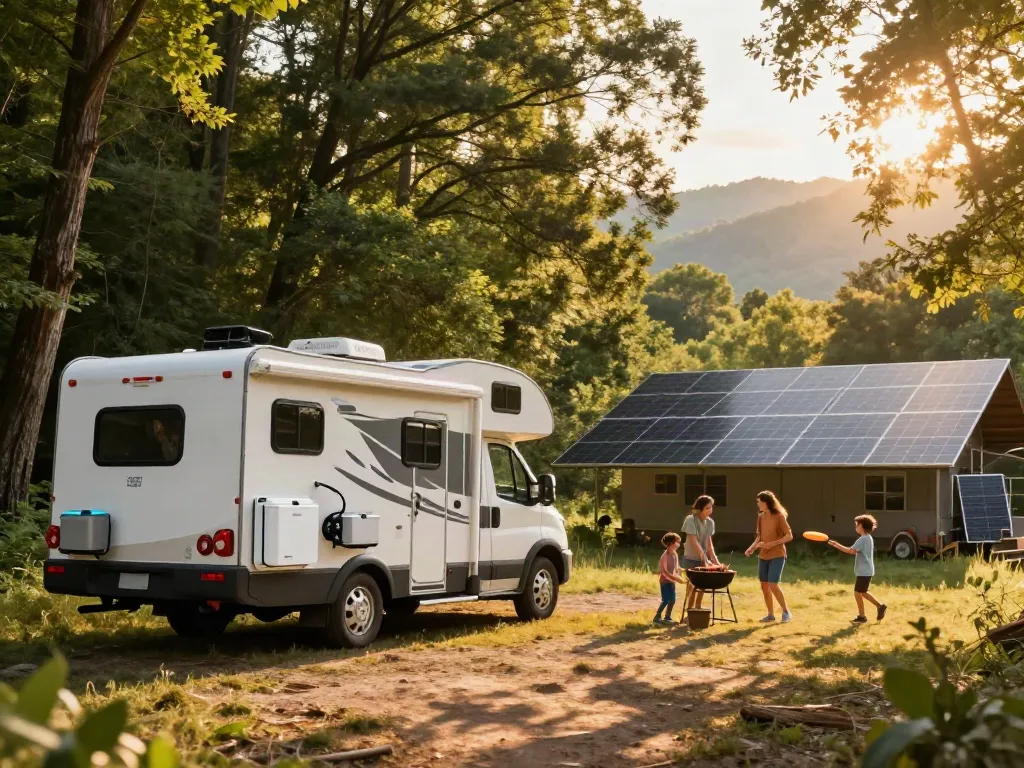
Understanding Lithium RV Batteries
Lithium RV batteries have revolutionized the power needs of modern campers and van enthusiasts, offering a lightweight and efficient alternative to traditional lead-acid batteries. Their growing popularity stems from significant advancements in battery technology, particularly with LiFePO4 (lithium iron phosphate) chemistry, which is known for its stability, safety, and longevity. As you explore options, lithium rv batteries provide comprehensive insights into the various models available to meet the demands of off-grid travel.
What Are Lithium RV Batteries?
Lithium RV batteries are advanced energy storage systems designed specifically for recreational vehicles, campers, and vans. Unlike traditional lead-acid batteries, which rely on chemical reactions that create lead sulfate, lithium batteries utilize lithium ions to store and release energy. The result is a battery that is significantly lighter, has a higher energy density, and can endure more charge and discharge cycles, making it ideal for the dynamic lifestyle of RV enthusiasts.
Comparative Advantages Over AGM Batteries
When comparing lithium batteries to AGM (Absorbent Glass Mat) batteries, several key advantages emerge:
- Weight: Lithium batteries can weigh up to 70% less than their AGM counterparts, making them easier to install and handle.
- Lifespan: Lithium batteries can last up to 10 times longer than AGM batteries, often providing reliable power for 10 to 15 years with proper care.
- Depth of Discharge: Lithium batteries can be discharged to a lower percentage without damage, typically around 80-90%, compared to 50% for AGM.
- Efficiency: Lithium batteries maintain a steady voltage throughout their discharge cycle, providing consistent power to appliances and devices.
The Technology Behind Lithium RV Batteries
At the heart of lithium RV batteries is the LiFePO4 technology, which is recognized for its thermal and chemical stability. This battery chemistry not only enhances safety but also maximizes performance. The built-in Battery Management System (BMS) protects the battery from overcharging, excessive discharging, and temperature fluctuations, ensuring longevity and reliability. Enhanced features, such as Bluetooth monitoring, allow users to track battery performance in real time, providing peace of mind while on the road.
Why Upgrade to Lithium RV Batteries?
Switching to lithium RV batteries can offer numerous benefits that improve your off-grid experience and overall travel efficiency. Understanding these advantages can help you make an informed decision about your energy needs.
Benefits of LiFePO4 Technology for Campers
The key benefits of upgrading to lithium RV batteries include:
- High Energy Density: Lithium batteries can store more energy in a smaller and lighter package, crucial for space-limited RVs.
- Faster Charging: Lithium batteries charge more quickly than AGM batteries, reducing downtime during your travels.
- Less Maintenance: Unlike lead-acid batteries, lithium options do not require regular maintenance, allowing for a hassle-free experience.
Long-term Cost Savings Compared to Lead-Acid
While the initial investment in lithium batteries might be higher than lead-acid options, the long-term cost benefits can be substantial. The longevity and reduced need for replacements mean that users can save significantly over the battery's lifespan, making it an economically sound investment.
Impact on Off-Grid Travel Experience
Lithium RV batteries enable longer off-grid travel without the need for frequent solar recharges or generator usage. This capability is especially appealing for campers who enjoy boondocking in remote areas, as it allows for extended independence from electrical hookups.
Choosing the Right Lithium RV Battery
Selecting the appropriate lithium RV battery requires careful consideration of your energy requirements, space constraints, and travel habits. Here's how to navigate the selection process effectively.
Assessing Your Power Needs and Usage
Start by evaluating your daily power consumption. List the devices and appliances you plan to operate, noting their wattage and the expected hours of use.
Understanding Battery Sizes and Specifications
Battery capacity is measured in amp-hours (Ah) and watt-hours (Wh). It's important to choose a battery that can provide enough power for your needs while also allowing for some headroom. For example, if your daily draw is 100Ah, consider a battery with a minimum capacity of 200Ah to ensure longevity and reliable performance.
Compatibility with Existing Electrical Systems
Before upgrading, verify that your existing electrical infrastructure is compatible with lithium technology. This includes checking the settings on your inverter/charger, solar controller, and alternator.
Longevity and Maintenance of Lithium RV Batteries
One of the standout features of lithium RV batteries is their longevity, but understanding how to maintain them can further enhance their lifespan.
Average Lifespan and Warranty Comparison
Most lithium batteries come with warranties ranging from six to eleven years, depending on the series and manufacturer. This warranty is a reflection of the expected lifespan, which can be significantly longer than that of AGM batteries.
Best Practices for Maintaining Your Battery
To ensure the longevity of your lithium battery, follow these guidelines:
- Keep the battery at optimal temperatures; avoid exposing it to extreme heat or cold.
- Regularly monitor the state of charge to prevent both under and overcharging.
- Utilize a compatible charger that is designed for lithium technology.
Signs of Battery Aging or Failure
Recognizing the signs of an aging battery is crucial for ensuring reliable performance. Common indicators include:
- A noticeable decrease in runtime or power output.
- Increased charging times or difficulty holding a charge.
- Physical swelling or deformation of the battery casing.
Future Trends in Lithium RV Battery Technology
The landscape of lithium battery technology is continuously evolving, with numerous innovations on the horizon that promise to enhance RV power systems further.
Emerging Innovations to Look for in 2026
Future trends may include improved energy density, faster charging capabilities, and enhanced thermal management systems that allow for more efficient operation in varying climates.
Environmental Impact and Sustainability Considerations
As sustainability becomes increasingly important, advancements in recycling technologies and reduced reliance on harmful materials in battery production are likely to shape future lithium battery offerings, making them even more environmentally friendly.
Predictions for the RV Industry and Off-Grid Power Solutions
As the demand for off-grid capabilities grows, we can expect a surge in the use of integrated solar solutions, allowing RVers to harness renewable energy efficiently alongside advanced lithium battery systems.
Are lithium batteries worth it for an RV?
Absolutely. The investment in lithium batteries results in notable performance benefits, including longer lifespans and reduced maintenance, directly enhancing the RV experience.
What is the best lithium battery for an RV?
The best lithium battery depends on individual needs. However, Epoch's various series, such as the Elite and Pro series, offer features tailored to different energy demands and usage scenarios.
How long will a 12v fridge run on a 100Ah lithium battery?
A 12V fridge typically consumes about 50-100 watts per hour. Therefore, a 100Ah lithium battery can power such a fridge for about 12-24 hours, depending on the fridge's power consumption and efficiency.
Can I replace my RV battery with lithium?
Yes, you can replace your RV batteries with lithium options, but it's essential to ensure that your RV's electrical system is configured for lithium technology to avoid potential issues.
What maintenance do lithium RV batteries require?
Lithium batteries require minimal maintenance compared to lead-acid batteries. Regular monitoring of charge levels and ensuring the use of compatible chargers are the primary maintenance tasks.