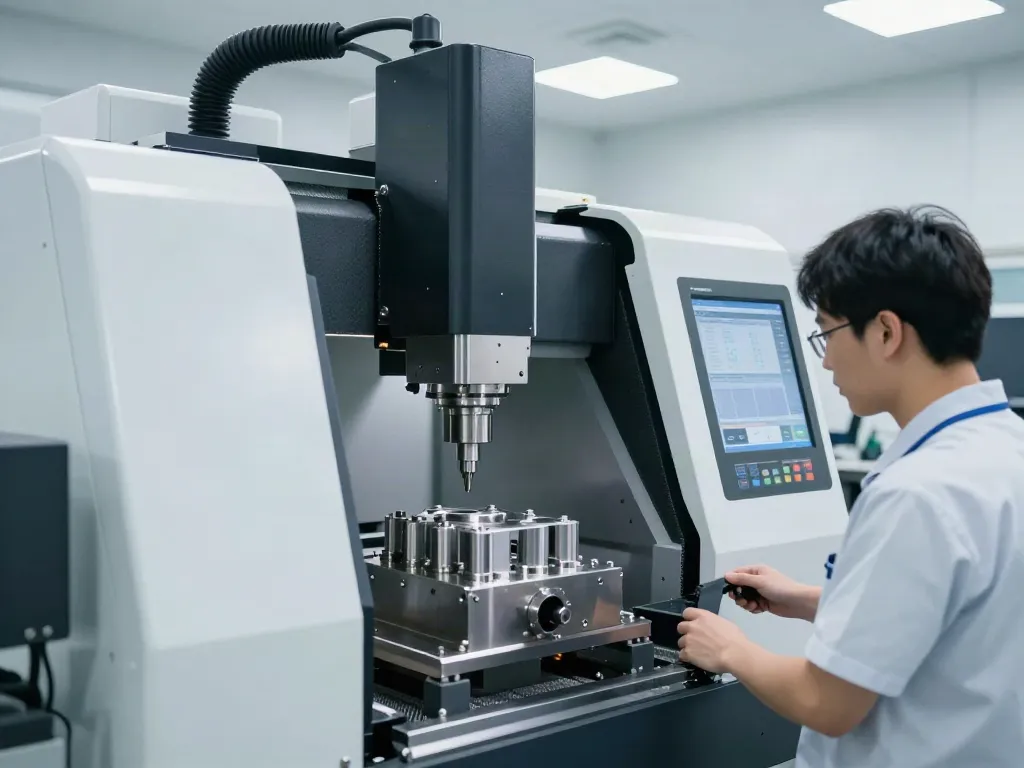
The Future of Aerospace CNC Machining: Trends in 2026
The aerospace sector has seen profound technological advancements, and CNC machining stands at the forefront of these changes. With the increasing demand for precision and efficiency, aerospace manufacturers are continuously adapting to new technologies. As we look towards 2026, several trends are shaping the landscape of aerospace CNC machining. These trends not only involve advanced machinery and materials but also encompass automation, artificial intelligence, and the Internet of Things (IoT). When exploring options, leading aerospace cnc parts manufacturers are crucial partners in adopting these trends effectively and cost-efficiently.
Adopting Advanced Automation Techniques
Automation has emerged as a game-changer in aerospace CNC machining. By integrating robotics and automated systems into the manufacturing process, companies can significantly enhance production speed while reducing human error. Automated CNC machines can operate continuously, offering consistent quality and significantly reducing lead times. For instance, robotic arms can perform repetitive tasks such as loading and unloading parts, allowing machinists to focus on more complex operations that require human oversight.
Integrating AI for Precision and Efficiency
Artificial Intelligence (AI) is revolutionizing the way CNC machining operates, enabling smarter decision-making and process optimization. AI algorithms can analyze machining data in real-time to predict potential failures or maintenance needs, enabling manufacturers to perform predictive maintenance rather than reactive repairs. This proactive approach minimizes downtime and maximizes efficiency, ensuring high-quality outcomes. Additionally, AI-driven design programs can optimize part geometries for machining, leading to better material utilization and reduced waste.
Impact of IoT in Aerospace Manufacturing
The Internet of Things (IoT) connects machines, sensors, and systems, allowing seamless data exchange across the manufacturing ecosystem. For aerospace CNC machining, IoT facilitates real-time monitoring of equipment, which enhances operational transparency. Sensors embedded in CNC machines can provide continuous feedback on performance metrics, enabling manufacturers to make data-driven decisions for process improvements. Moreover, the integration of IoT devices helps in ensuring regulatory compliance and higher safety standards through consistent monitoring of environmental parameters.
Choosing the Right CNC Technologies for Aerospace Applications
As the aerospace industry evolves, selecting the appropriate CNC technologies becomes critical for ensuring quality and efficiency. The choice between CNC milling and turning varies based on the part's complexity and the materials used, thus manufacturers must conduct a thorough analysis of their needs.
Comparative Analysis of CNC Milling vs. Turning
CNC milling and turning are distinct machining processes that serve different purposes. Milling is ideal for creating complex geometries with intricate details, while turning excels in shaping cylindrical parts. Each process has unique advantages: milling is versatile and can handle a wide variety of materials, while turning typically offers higher precision for round components. By understanding the differences, aerospace engineers can choose the most suitable CNC machining method for specific applications.
High-Performance Materials for Aerospace Parts
Material selection is crucial in aerospace CNC machining due to the stringent performance requirements in this sector. Factors such as weight, strength, and resistance to corrosion directly impact the choice of materials. Some common materials utilized include:
- Metals: Aluminum, titanium, and nickel alloys are widely used for their strength-to-weight ratios and performance under high-stress conditions.
- Plastics: Advanced polymers such as PEEK (Polyether ether ketone) and PTFE (Polytetrafluoroethylene) are used for lightweight, non-metallic applications.
By leveraging the optimal combination of high-performance materials, manufacturers can create components that meet the rigorous standards of aerospace applications.
Benefits of Precision Machining in Aerospace Engineering
Precision machining offers numerous benefits in the aerospace sector, including enhanced component reliability and consistency. The ability to manufacture parts to incredibly tight tolerances translates into better performance and safety in aircraft operations. As manufacturers implement advanced CNC technology, the tolerance levels achievable have reached unprecedented standards, aiding in weight reduction and fuel efficiency. Furthermore, precision machining enables a rapid prototyping process, allowing for quick iterations and adjustments before moving to mass production.
Streamlining Your Production Workflow
Efficiency in production workflows is paramount for aerospace manufacturers aiming to meet tight deadlines while maintaining the highest quality standards. Implementing best practices and modern tools can significantly reduce bottlenecks and optimize resource allocation.
Implementing CI/CD Pipelines for Aerospace Projects
Continuous Integration and Continuous Deployment (CI/CD) pipelines are traditionally associated with software development but are increasingly being applied to manufacturing processes. By incorporating CI/CD into CNC machining operations, aerospace manufacturers can streamline their workflows. Continuous integration involves regularly updating the manufacturing environment with incremental changes, ensuring systems are always aligned with current standards. Deployment, on the other hand, involves releasing tested components into production, reducing time remnants and enhancing collaboration between teams.
Best Practices for Quality Control in Production
Quality control is essential in aerospace manufacturing, where precision and safety are critical. Implementing best practices, such as Six Sigma methodologies, can greatly enhance production quality. Techniques such as real-time inspection during the machining process can catch defects early on, preventing costly reworks. Utilizing statistical process control (SPC) tools further ensures that the manufacturing process remains within specified limits, allowing for consistent quality outputs.
Scalable Solutions for Mass Production vs. Prototyping
Manufacturers need to balance the demands of mass production and prototyping when planning production schedules. Scalable solutions like modular CNC systems can adapt to the production scale, ensuring flexibility without compromising quality. For prototyping, adopting advanced 3D printing techniques alongside CNC capabilities allows for rapid iteration and design adjustments, ultimately accelerating time-to-market for new aerospace components.
Cybersecurity Protocols for Aerospace Manufacturing
As CNC machining increasingly incorporates connected devices, cybersecurity becomes a rising concern. Safeguarding sensitive design data and operational integrity is critical in protecting against cyber threats.
Protecting Intellectual Property in CNC Machining
Intellectual property (IP) is one of the most valuable assets for aerospace manufacturers, thus implementing robust cybersecurity measures is essential. Manufacturers can employ advanced encryption techniques to safeguard data transmission across networks. Additionally, establishing strict access controls and authentication methods ensures that only authorized personnel can access sensitive information. Regular audits of cybersecurity practices can reveal vulnerabilities, helping organizations stay ahead of potential threats.
Mitigating Cyber Threats in the Manufacturing Sector
Manufacturers must be prepared for increasing cyber-attacks targeting their systems. Implementing a comprehensive cyber defense strategy, including regular software updates, employee training, and the use of firewalls, can help mitigate threats. Investing in intrusion detection systems (IDS) not only safeguards production data but also enhances response measures for potential breaches.
Leveraging Cloud Solutions for Enhanced Security
Cloud-based solutions offer scalable and effective safeguards for managing sensitive manufacturing data. By utilizing cloud environments, companies can benefit from advanced security features, including real-time threat detection and automatic updates, providing a crucial layer of security. Furthermore, cloud capabilities facilitate easier collaboration between global teams while maintaining data integrity and properly managing access rights.
Why Choose Professional Aerospace CNC Parts Manufacturers
In the competitive landscape of aerospace manufacturing, choosing the right CNC parts manufacturer can significantly affect the success of projects. Professional CNC manufacturers bring unparalleled expertise and insights into custom solutions tailored for specific aerospace applications.
Expertise in Rapid Prototyping and Custom Solutions
Leading aerospace CNC parts manufacturers possess the technical know-how to deliver rapid prototyping services that are crucial in today’s fast-paced environment. With a deep understanding of aerospace engineering and the machining processes involved, these manufacturers can create reliable prototypes that align with stringent regulatory standards.
Competitive Pricing and Quality Assurance
Manufacturers today are challenged with addressing cost constraints while ensuring high-quality outputs. By leveraging advanced machining technologies and streamlined workflows, professional CNC manufacturers can offer competitive pricing without sacrificing quality. They establish rigorous quality control measures at every stage of production, ensuring that all parts meet national and international standards for safety and performance.
Building Trusted Partnerships for Long-Term Success
Collaboration with leading aerospace CNC parts manufacturers fosters long-term relationships built on trust and reliability. These partnerships enable organizations to gain access to cutting-edge technology and best practices, ensuring that they remain on the cutting edge of the aerospace industry. By working together, manufacturers can facilitate innovation, share knowledge, and ultimately contribute to the evolution of aerospace technology.
What materials are used in aerospace CNC machining?
Aerospace CNC machining utilizes a range of materials, including metals like titanium and aluminum as well as advanced plastics. The selection often depends on the specific application and performance requirements.
How does AI improve CNC machining processes?
AI enhances CNC machining by providing data-driven insights for predictive maintenance, optimizing design processes, and improving operational efficiency through real-time analytics.
What are the key attributes of leading aerospace CNC manufacturers?
Leading aerospace CNC manufacturers excel in precision, have a robust quality control process, utilize advanced technologies, and prioritize customer collaboration to deliver innovative components.