
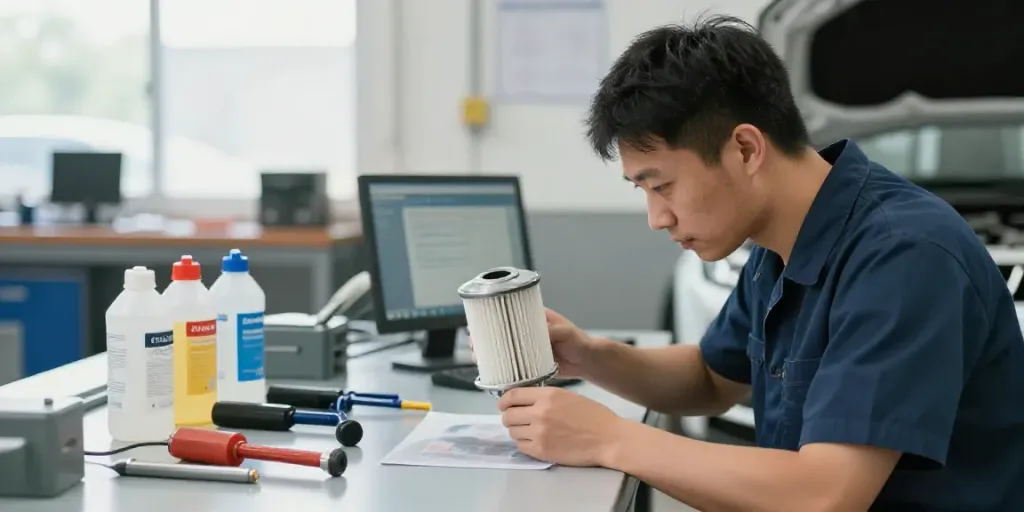
Understanding DPF: Importance and Functionality
The Diesel Particulate Filter (DPF) has become a crucial component for modern diesel engines, primarily due to stringent environmental regulations aimed at reducing harmful emissions. As diesel technology evolves, so does the necessity for effective and efficient DPF cleaning methods, such as dpf reinigen, which ensures optimal vehicle performance and compliance with emission standards.
What is a Diesel Particulate Filter?
A Diesel Particulate Filter is a device designed to trap and filter harmful soot and particulates produced during the combustion of diesel fuel. Located within the exhaust system, the DPF captures these emissions, preventing them from being released into the atmosphere. Since its introduction, the DPF has been instrumental in reducing particulate emissions by over 85%, contributing significantly to cleaner air and healthier environments.
How DPF Works to Reduce Emissions
The DPF operates through a two-step process: filtration and regeneration. Initially, the filter collects soot particles and other contaminants. Over time, as the filter becomes saturated, it undergoes a regeneration process, wherein heat is applied to burn off the collected particles, restoring the filter's effectiveness. This process is critical in maintaining the DPF’s functionality and preventing clogging, which can lead to engine performance issues.
Signs of DPF Clogging
Identifying warning signs of a clogged DPF is essential for proactive maintenance. Common indicators include:
- Increased engine back pressure, leading to reduced performance
- Frequent activation of the check engine light
- Decreased fuel efficiency
- Excessively black exhaust smoke
Addressing these symptoms promptly can help avoid costly repairs and ensure your vehicle remains compliant with regulations.
Common Challenges in DPF Cleaning
While maintaining a clean DPF is crucial, various challenges often arise during the cleaning process. Understanding these can prevent mistakes and lead to more effective cleaning outcomes.
Mistakes to Avoid When Cleaning Your DPF
One of the most common mistakes is relying solely on DIY cleaning methods without adequate knowledge of their implications. Some methods can cause damage to the DPF and lead to further issues. Additionally, neglecting to follow safety protocols can pose risks during the cleaning process. It’s essential to verify the cleaning method’s appropriateness for your specific DPF type.
Costs Associated with DPF Reinigen
The costs for professional DPF cleaning can vary widely based on the service provider, the DPF's condition, and the cleaning method employed. On average, one can expect to pay between $100 to $350 for professional services. Understanding these costs helps vehicle owners budget effectively while ensuring their DPFs remain clean and functional.
DIY vs. Professional Cleaning Services
When it comes to DPF cleaning, vehicle owners face the choice between DIY and professional services. While DIY methods may seem cost-effective, they can lead to incomplete cleaning and potential damage. Professional services, on the other hand, typically use advanced techniques and equipment, ensuring a thorough cleaning and longevity of the DPF.
Step-by-Step Guide to DPF Reinigen
Cleaning your DPF effectively requires careful preparation and execution. Follow this step-by-step guide to ensure a successful DPF cleaning process.
Preparation for DPF Cleaning
Before starting the cleaning process, gather necessary tools and materials. Ensure that the vehicle is parked in a safe, well-ventilated area. It is advisable to read the vehicle manual to understand specific DPF cleaning recommendations and any unique requirements pertaining to your model.
Best Cleaning Methods for DPF
Several cleaning methods are available, each with its advantages:
- Chemical Cleaning: Involves using specific chemicals that dissolve and remove soot and ash buildup.
- Hydrocleaning: Utilizes high-pressure water jets to remove clogs without damaging the filter.
- Thermal Regeneration: This method uses high temperatures to burn off accumulated soot.
Choosing the right method depends on the DPF's condition and the resources available.
Safety Precautions During Cleaning
Safety should be a priority during DPF cleaning. Always wear appropriate protective gear such as gloves and goggles. Ensure the work area is clear of flammable materials, especially when dealing with chemicals or heat. If unsure about any part of the cleaning process, consult a professional.
Maintaining Your DPF After Cleaning
Post-cleaning maintenance is crucial to ensure the DPF remains effective and long-lasting. Adhering to a maintenance routine can mitigate the risk of future clogs.
Regular Maintenance Tips for Long-Lasting DPF
To prolong your DPF's lifespan, consider the following maintenance tips:
- Adhere to manufacturer-recommended maintenance schedules.
- Use high-quality fuels that minimize soot production.
- Regularly monitor and service the exhaust system.
Monitoring Your Vehicle’s Performance
Consistently observing your vehicle's performance can help catch DPF issues early. Look for changes in throttle response, increased fuel consumption, and unusual engine noises as indicators of potential DPF problems.
When to Seek Professional Help
If your DPF warning light is on, or if you are experiencing significant performance issues, it is advisable to consult a professional. Early intervention can save time and money, ensuring your vehicle operates efficiently and safely.
Future Trends in DPF Technology and Cleaning
The landscape of DPF technology is constantly evolving, driven by environmental regulations and advancements in automotive engineering. Staying informed about these trends is vital for effective DPF maintenance.
Advancements in DPF Materials and Technology
New materials and technologies are continuously being developed to enhance the efficiency and longevity of DPFs. Innovations in filter designs and coatings that resist soot accumulation are becoming more common, potentially reducing cleaning frequency.
Environmental Regulations Impacting DPF Maintenance
As emission regulations become more stringent, the importance of maintaining a clean DPF will only increase. Automotive manufacturers are likely to integrate more advanced DPF systems that allow for easier cleaning and maintenance.
Predictions for DPF Cleaning Practices by 2026
By 2026, it is expected that DPF cleaning practices will heavily focus on sustainability and efficiency. With advancements in cleaning technologies, vehicle owners may find more straightforward, cost-effective methods for maintaining their DPFs without compromising performance or safety.
How do I manually start DPF regeneration?
Manual DPF regeneration can typically be initiated via the vehicle's onboard diagnostics or through specific driving patterns, such as sustained high-speed driving. Consult your vehicle's manual for detailed instructions on starting this process.
Can I clean my DPF filter myself?
While some DIY methods exist, effectively cleaning a DPF often requires specialized equipment and knowledge. For optimal results, professional cleaning is recommended, especially for severe clogs.
How much does it cost to get a DPF cleaned?
The cost for DPF cleaning varies based on factors such as location, service provider, and the vehicle’s specific needs. Generally, professional cleaning may range from $100 to $350.
Is DPF cleaning necessary?
Yes, regular DPF cleaning is essential for maintaining vehicle efficiency and reducing harmful emissions. Neglecting DPF maintenance can lead to significant engine issues and increased repair costs.
What are the signs of a failing DPF?
Common signs of a failing DPF include frequent warning lights, reduced engine performance, increased exhaust smoke, and sudden drops in fuel efficiency. Addressing these issues promptly is crucial to avoiding costly repairs.