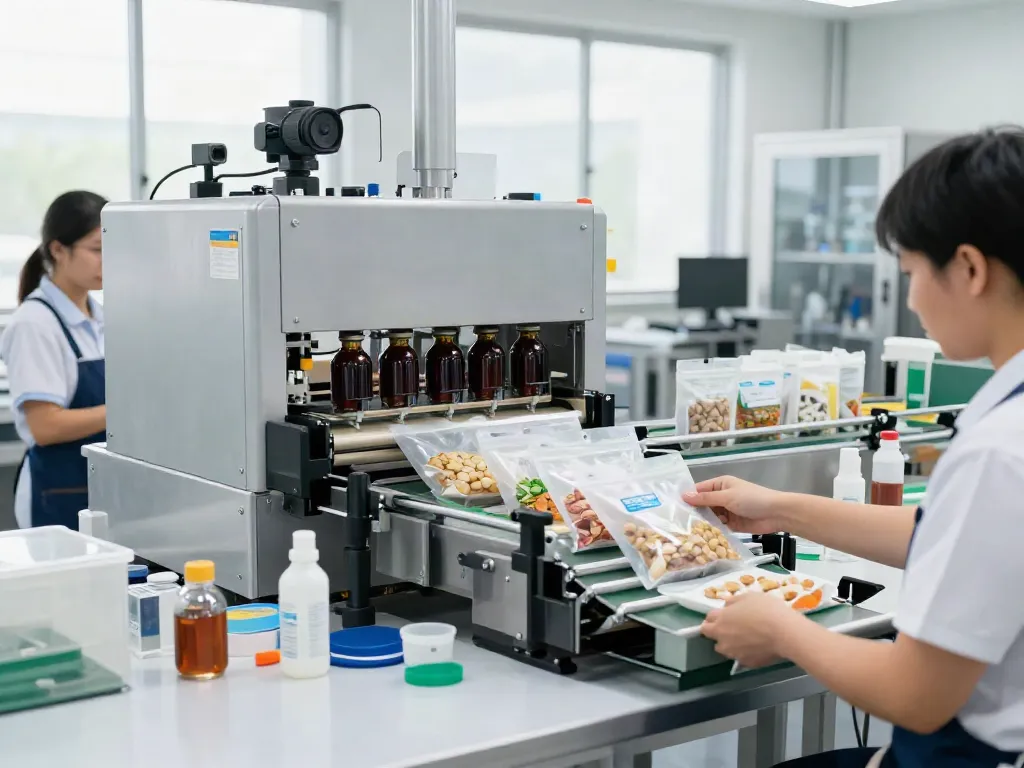
Understanding Automated Bagging Solutions
In today's fast-paced manufacturing landscape, efficiency and precision are paramount. Automated bagging solutions are revolutionizing the packaging industry, providing businesses with the tools to enhance productivity while significantly reducing packaging errors. As a professional manufacturer with over 18 years of experience, Durzerd specializes in state-of-the-art open-mouth bagging machines and FFS packaging lines that cater to a wide array of products, from dry goods to liquids and powders. Our automated bagging solutions streamline the entire packaging process, ensuring your production line operates smoothly and effectively.
What Are Automated Bagging Solutions?
Automated bagging solutions encompass a range of machinery designed to automate the process of placing, filling, and sealing bags without the need for manual intervention. These systems are equipped with cutting-edge technology, allowing them to perform tasks that traditionally required significant human labor. By integrating these solutions into your manufacturing process, you can expect to see not only a boost in efficiency but also a reduction in operational costs.
Key Benefits of Automated Bagging Solutions
- Increased Efficiency: Automated bagging machines operate at a higher speed compared to manual packaging operations, resulting in higher throughput.
- Consistency: These machines ensure uniform filling and sealing, which minimizes errors and enhances product quality.
- Reduced Labor Costs: By minimizing the need for manual labor, companies can reallocate their workforce to other critical areas, optimizing overall production efficiency.
- Flexibility: Modern automated bagging systems can easily accommodate different bag sizes and types, making them suitable for various industries.
- Enhanced Safety: With automated systems, the risk of workplace injuries is significantly reduced, creating a safer working environment.
Diverse Applications Across Industries
Automated bagging solutions are versatile and can be utilized across multiple sectors, including:
- Food Industry: Perfect for packaging snacks, grains, and other consumables.
- Pharmaceuticals: Ideal for precise packaging of medicinal powders and tablets.
- Consumer Goods: Useful for packaging a wide range of products, from detergents to pet food.
When exploring options, automated bagging solutions provide comprehensive insights into the right configurations for your specific needs.
Choosing the Right Automated Bagging Machine
Selecting the most suitable automated bagging machine for your operation can significantly impact productivity and efficiency. Here are key factors to consider:
Factors to Consider When Selecting a Machine
- Product Type: Consider the characteristics of the products you will be packaging, including weight, size, and temperature sensitivity.
- Bag Type: Determine whether you will be using paper, plastic, or biodegradable bags, as this affects the machine's design.
- Production Volume: Assess your production rate to choose a machine that meets your throughput needs.
- Space Availability: Ensure that the machine's dimensions fit within your current production layout.
- Budget: Consider the total cost of ownership, including purchase price, maintenance, and operation expenses.
Top Brands and Models in 2026
As the demand for automated bagging solutions grows, several brands stand out in the market for their innovative technologies and reliable performance. Ranked among the top choices in 2026 are:
- Durzerd: Known for user-friendly interfaces and customizable settings, making it suitable for various applications.
- AUTOBAG®: Offers high-speed machines that help reduce labor costs and packaging waste.
- Speedpack: Provides efficient solutions for both paper and poly bags, focusing on high-speed production.
Comparing Cost-Effectiveness and Performance
When comparing different automated bagging machines, focus on both cost-effectiveness and the performance metrics that matter most to your operation: throughput speed, maintenance costs, and the scalability of the machine. Investing in a more expensive model that offers greater efficiency or lower operational costs in the long run may prove more beneficial than choosing a lower-cost option that leads to ongoing issues.
Implementing Automated Bagging Solutions
Integrating automated bagging solutions into your production line requires careful planning and execution. Here are the steps to follow:
Steps for Integration into Your Production Line
- Assessment: Review your existing processes to identify potential bottlenecks that automation can resolve.
- Selection: Choose the right automated bagging machine based on your production needs and facility layout.
- Installation: Work with the manufacturer to ensure a seamless installation process.
- Testing: Conduct thorough testing to confirm the machine operates as expected before full-scale production.
Training Staff for Effective Usage
Proper training of your staff is crucial for maximizing the benefits of automated bagging solutions. Ensure that your team understands how to operate the machine efficiently, troubleshoot common issues, and perform routine maintenance. Consider setting up a training program that includes hands-on experience and access to operation manuals.
Common Challenges and Solutions in Operation
Even with advanced automated systems, you may face challenges during operation. Common issues include:
- Jamming: Ensure that operators are trained to handle jams and understand the settings for various bag types.
- Calibration Errors: Regular calibration checks can prevent inconsistencies in bag fill levels.
- Maintenance Needs: Schedule regular inspections to mitigate unexpected downtime due to machine wear.
Measuring Success with Automated Bagging Solutions
To assess the impact of automated bagging solutions on your operations, it's essential to establish key performance indicators (KPIs) that help you track efficiency and identify areas for improvement.
Key Performance Indicators to Track
- Throughput Rates: Measure how many bags are filled and sealed per unit of time.
- Productivity Levels: Assess the output against labor hours to gauge efficiency gains.
- Error Rates: Monitor the frequency of packaging errors to determine quality control success.
- Maintenance Costs: Track all costs associated with machine upkeep to ensure profitability.
Real-World Case Studies and Success Stories
Explore how various companies have successfully implemented automated bagging solutions to improve their operations. For instance, a leading snack food manufacturer integrated Durzerd’s automated bagging machine, resulting in a 30% increase in throughput and a significant reduction in labor costs. Such case studies serve as great references when considering automation for your own facility.
Adjusting Strategies for Optimal Results
As you collect data and insights from your operations, be prepared to adjust your strategies. Continuous improvement is vital in maximizing the benefits of your automated bagging solutions. Regularly review your KPIs and operational data to identify trends, and be proactive in addressing any challenges that arise.
The Future of Automated Bagging Solutions
The landscape of automated bagging is changing rapidly. As technology advances, staying informed about emerging trends will keep your operation competitive.
Emerging Trends and Technologies to Watch in 2026
- Artificial Intelligence: AI is set to enhance machine learning capabilities in bagging operations, leading to smarter automation systems.
- Internet of Things (IoT): IoT integration allows for real-time monitoring and data analysis, improving decision-making and maintenance schedules.
- Sustainable Practices: With an increasing focus on sustainability, machines are being designed to use eco-friendly materials and reduce waste.
How Sustainability is Shaping the Industry
Businesses are becoming more aware of their environmental impact and are seeking sustainable packaging solutions. Automated bagging machines are evolving to support the use of recyclable and biodegradable materials, aligning with consumer preferences for eco-friendly products.
Expert Insights on Future Innovations
Industry experts predict that the integration of augmented reality (AR) and virtual reality (VR) in machine training and maintenance processes will become commonplace, streamlining operations and enhancing worker efficiency. As these technologies develop, automated bagging solutions will continue to transform the packaging landscape.