Understanding the Role of a Water Treatment Equipment Manufacturer
In today’s industrial landscape, the importance of water treatment cannot be overstated. As industries strive to meet increasingly stringent environmental regulations, the role of a Water Treatment Equipment Manufacturer becomes crucial. These manufacturers not only provide essential equipment but also ensure that processes are efficient, safe, and compliant with environmental norms. From modular systems that adapt to varying operational demands to sophisticated chemical dosing technologies, water treatment manufacturers are at the forefront of innovation.
What is a Water Treatment Equipment Manufacturer?
A Water Treatment Equipment Manufacturer specializes in designing, producing, and supplying machinery that treats water for various purposes in numerous industries. This includes everything from wastewater treatment facilities to equipment for drinking water purification. The goal is to provide solutions that not only reduce contaminants but also improve the overall quality of water, ensuring compliance with health and environmental standards.
Key Responsibilities and Services
- Design and Development: Manufacturers are responsible for the entire lifecycle of water treatment systems, beginning from design to the final product development.
- Customization: Tailoring solutions to meet specific industry needs is critical, allowing for improved adaptability and efficiency.
- Installation and Maintenance: Many manufacturers also offer installation services and ongoing maintenance support to ensure equipment operates at optimal levels.
- Regulatory Compliance Assistance: Manufacturers help industries navigate complex environmental regulations, ensuring that their equipment meets all necessary standards.
Importance in Environmental Protection
As the global focus shifts towards sustainable practices, the role of water treatment manufacturers in environmental protection has become more pronounced. These companies provide the technologies that facilitate the safe treatment of water, thereby reducing pollution and conserving water resources. By investing in state-of-the-art equipment, industries can significantly lower their environmental footprint, aligning with global sustainability goals.
Types of Modular Water Treatment Equipment
Modular water treatment equipment offers flexibility and efficiency, catering to various applications across multiple sectors. This equipment is particularly beneficial for industries requiring scalable solutions that can be deployed rapidly.
Containerized Water Treatment Systems
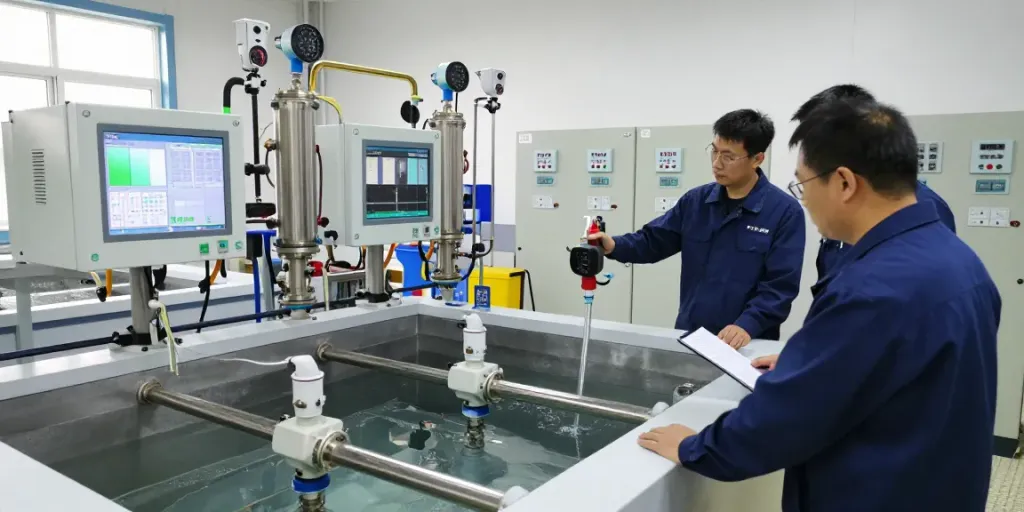
Containerized systems are self-contained units that provide portable water treatment solutions. These systems are ideal for temporary setups or remote locations where permanent installations are not feasible. They include all necessary components—pumps, treatment units, and controls—packaged in a transportable container. Industries such as oil and gas, construction, and emergency response frequently utilize these systems for their rapid deployment and ease of use.
Integrated Chemical Process Systems
Integrated Chemical Process Systems represent a significant advancement in chemical dosing and treatment technologies. These systems utilize advanced sensors and intelligent control algorithms to ensure precise chemical dosing, enhancing safety and efficiency. This integrated approach is particularly beneficial for industries where chemical dosing is critical, such as petrochemical manufacturing, where consistent and accurate application is vital for operational success.
Membrane Elements and Their Applications
Membrane filtration technology has become a cornerstone of effective water treatment. Used in various processes, from desalination to wastewater reclamation, membrane elements are capable of removing a wide range of contaminants. Their applications extend to industries such as pharmaceuticals, food processing, and municipal water systems, where purity and safety are non-negotiable.
Choosing the Right Water Treatment Equipment Manufacturer
Selecting the right manufacturer is crucial for achieving optimal performance and compliance in water treatment operations. Businesses must consider several factors when evaluating potential partners.
Evaluating Experience and Expertise
Experience in the industry is vital. Manufacturers with a proven track record are more likely to provide reliable equipment and support. Look for companies that have worked with similar industries and can demonstrate successful projects through case studies or client testimonials.
Assessing Technological Capabilities
In an ever-evolving technological landscape, it is essential to partner with manufacturers that invest in research and development. Advanced features, such as remote monitoring and automation, can significantly enhance efficiency and reduce operational costs.
Understanding Customization Options
Every industry has unique challenges that require tailored solutions. A good manufacturer will offer customizable equipment and services that cater specifically to your operational needs, whether they involve specific chemical treatments or unique processing conditions.
Best Practices in Implementing Water Treatment Solutions
Implementing water treatment systems efficiently requires careful planning and adherence to best practices. This ensures that the systems function correctly while minimizing downtime and maximizing return on investment.
Step-by-Step Installation Guides
A well-documented installation process is crucial for the effective deployment of water treatment systems. Clear guidelines help technicians set up equipment correctly, ensuring that systems are operational from the outset.
Monitoring and Maintenance Strategies
Regular monitoring and maintenance are key to the longevity and efficiency of water treatment equipment. Establishing a routine maintenance schedule, equipped with performance metrics, ensures that any potential issues are addressed proactively, thus reducing the risk of costly downtimes.
Performance Metrics for Success
Measuring success involves tracking various performance metrics, such as water quality, treatment efficiency, and operational costs. Establishing benchmarks allows for continuous improvement and helps identify areas where further optimization is needed.
Future Trends in Water Treatment Technology (2026 and Beyond)
The water treatment industry is poised for significant advancements in technology and sustainability practices over the next decade. Understanding these trends is essential for businesses looking to remain competitive.
Emerging Technologies in Water Treatment
Technologies such as artificial intelligence (AI) and the Internet of Things (IoT) are expected to revolutionize water treatment processes. AI can enhance predictive maintenance models, while IoT devices can provide real-time data analytics, improving decision-making and operational efficiency.
Sustainability and Environmental Regulations
As global consciousness around environmental issues increases, regulations will likely become even stricter. Manufacturers must stay ahead of these changes, continuously adapting their technologies and practices to ensure compliance and sustainability.
Predictions for the Next Decade
Looking ahead, innovations in energy recovery, advanced filtration methods, and smart water management systems will shape the industry. Companies that adopt these technologies early on will likely enjoy competitive advantages, driving efficiency and reducing operational costs.
What should I consider when selecting a water treatment equipment manufacturer?
When evaluating potential manufacturers, consider their experience, technological capabilities, customization options, and after-sales support. Engaging with past clients can also provide valuable insights into their reliability and service quality.
How can modular systems improve efficiency in water treatment?
Modular systems enhance efficiency by allowing for scalable solutions that can be adapted to the specific needs of an operation. Their design facilitates quick deployment and adjustments, enabling businesses to respond promptly to changing demands.
What industries benefit most from advanced water treatment solutions?
Industries such as petrochemicals, pharmaceuticals, food and beverage, and municipal water treatment benefit significantly from advanced water treatment solutions, as these sectors require stringent compliance with health and environmental standards.
What are common misconceptions about water treatment equipment?
One common misconception is that all equipment is interchangeable. In reality, the effectiveness of water treatment equipment can vary significantly based on specific industry needs, technology, and regulatory requirements. Understanding these nuances is vital for effective treatment.
How does technology enhance safety in chemical dosing processes?
Technological advancements, such as automation and real-time monitoring, enhance safety by reducing human error and ensuring precise dosing. Incorporating advanced sensors and control systems significantly minimizes risks associated with chemical handling and dosing.