Understanding High Current PCBs
High current printed circuit boards (PCBs) are essential components in various electronic devices, designed to efficiently manage the passage of significant electrical currents. As the demand for more powerful electronics continues to increase, these specialized boards are becoming critical across multiple industries, including automotive, telecommunications, and renewable energy sectors. Understanding the characteristics that define high current PCBs, their applications, and the materials used in their manufacture is essential for businesses looking to integrate these technologies into their products. When exploring options, high current PCB manufacturer directories can provide comprehensive insights and options.
What Makes a PCB High Current?
A PCB is categorized as a high current board when it is designed to handle current loads exceeding standard specifications, typically above 2A per trace or pad. Key factors that contribute to a PCB's designation as high current include:
- Copper Thickness: High current PCBs often utilize thicker copper layers (ranging from 3 oz to 10 oz or more) to reduce resistance and prevent overheating.
- Trace Width: Wider traces decrease resistance, which is crucial for handling high current levels efficiently.
- Thermal Management: Effective heat dissipation mechanisms, such as integrated heat sinks or thermal vias, are essential to prevent performance degradation.
By focusing on these elements, manufacturers can create PCBs that maintain functionality under demanding conditions.
Applications of High Current PCBs in Various Industries
High current PCBs are pivotal in several applications, reflecting their versatility and importance in modern electronics:
- Automotive Industry: Used in electric vehicles (EVs) and hybrid systems to manage power distribution efficiently.
- Power Supplies: Essential in high-powered devices for renewable energy systems, such as solar inverters and wind turbine controls.
- Telecommunications: Facilitate data transmission in high-capacity networks, supporting servers and telecommunication equipment.
- Industrial Equipment: Power control in machinery and robotics that require reliable electrical distribution.
These applications highlight the critical role high current PCBs play in advancing technology across various sectors.
Key Materials and Technologies Used in High Current PCBs
The manufacturing of high current PCBs employs specific materials and technologies to enhance performance:
- Substrate Materials: FR-4 is common, but high-performance options like polyimide are utilized for increased thermal stability.
- Heavy Copper Technologies: Techniques such as subtractive and additive methods are employed to achieve the desired copper thickness.
- Advanced Design Software: Tools like Altium Designer or Eagle allow for precise layouts and simulations to optimize circuit performance.
Utilizing these materials and technologies ensures that high current PCBs meet both performance benchmarks and industry standards.
Choosing the Right High Current PCB Manufacturer
Selecting a reliable high current PCB manufacturer is critical for quality assurance and operational efficiency. With an increasing number of manufacturers entering the market, evaluating potential partners involves several best practices.
Identifying Quality Manufacturers in 2026
In 2026, the criteria for identifying quality PCB manufacturers have evolved, focusing on capabilities and industry presence. To find reputable manufacturers, consider:
- Industry Experience: Look for manufacturers with a proven track record in high current PCB production.
- Customer Reviews: Feedback from previous clients can provide insights into reliability and service quality.
- Partnerships: Collaborations with recognized companies or certifications from industry standards organizations can signal quality assurance.
Evaluating Manufacturer Capabilities and Certifications
Understanding a manufacturer's capabilities is essential for ensuring they meet your specific needs. Key areas to evaluate include:
- Production Capacity: Assess whether the manufacturer can handle your volume requirements without compromising quality.
- Technological Expertise: Look for facilities equipped with advanced machinery and technology to support heavy copper processes.
- Certifications: Verify compliance with certifications like ISO 9001 and IPC standards, which ensure adherence to quality and safety protocols.
Factors Influencing Manufacturer Selection
Several factors can influence your decision when selecting a high current PCB manufacturer:
- Cost of Production: While price shouldn't be the only factor, understanding the total cost of ownership helps in making informed choices.
- Lead Times: Assess the manufacturer's turnaround time and ability to manage urgent requests.
- Support Services: Evaluate the level of technical support and customer service available post-manufacturing.
By weighing these factors, businesses can ensure they partner with the right manufacturer for their high current PCB needs.
Design Considerations for High Current PCBs
Designing a high current PCB requires a thoughtful approach to layout and component placement to optimize performance and reliability.
Optimizing Layout for Thermal Management
Thermal management is a critical consideration in high current PCB design. Effective strategies include:
- Heat Sinks: Attach heat sinks to components that generate significant heat to maintain optimal operating temperatures.
- Vias and Thermal Pads: Use thermal vias to transfer heat away from critical components, distributing it across a larger area.
- Component Arrangement: Place heat-sensitive components away from heat-generating ones to minimize thermal stress.
Common Design Challenges and Solutions
Designing high current PCBs presents unique challenges, including:
- Poor Signal Integrity: Utilize impedance matching and differential pair routing to maintain signal quality under high current loads.
- Overheating: Implement design features like thermal reliefs and sufficient copper thickness to mitigate overheating risks.
- Mechanical Stress: Consider the mechanical environment in which the PCB will operate, using flexible materials where necessary.
User-Centric Design Practices in PCB Development
Incorporating user-centric design practices ensures that high current PCBs meet the needs of end-users. This includes:
- Modularity: Allow for easy upgrades or repairs, enhancing product longevity.
- Accessibility: Design for easy access to components for maintenance without compromising functionality.
- User Feedback: Engage with users during the design phase to incorporate practical insights and improve usability.
Quality Control and Testing for High Current PCBs
Implementing robust quality control and testing procedures is essential for high performance in high current PCBs.
Essential Testing Procedures for High Performance
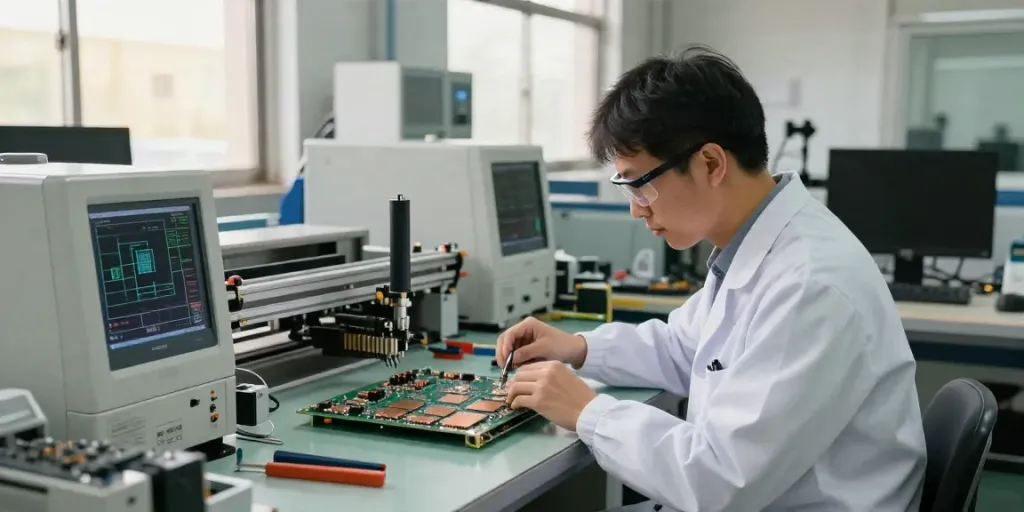
High current PCBs undergo various testing procedures to ensure reliability and performance. Key tests include:
- Electrical Testing: Verify conductivity and check for shorts or opens using automated testing equipment.
- Thermal Cycling: Subject boards to thermal extremes to assess thermal performance under varying conditions.
- Mechanical Stress Testing: Evaluate the board's resilience against vibrations and physical shocks.
Quality Assurance Standards for PCB Production
Adherence to quality control standards is crucial for manufacturers. Important standards include:
- IPC-A-610: Covers acceptability of electronic assemblies.
- ISO/TS 16949: Specific to the automotive sector, ensuring quality in automotive production.
By following these standards, manufacturers can ensure their products meet industry requirements and customer expectations.
Real-World Case Studies of Testing Effectiveness
Learning from real-world examples of PCB testing can provide valuable insights. For instance, a leading automotive manufacturer implemented a rigorous testing regime on high current PCBs, which resulted in a 30% reduction in warranty claims due to electrical failures. Such outcomes not only improve product reliability but also enhance brand reputation.
The Future of High Current PCB Manufacturing
The landscape of high current PCB manufacturing is continuously evolving, driven by technological advancements and market demands.
Emerging Trends in PCB Technology for 2026 and Beyond
As we look to the future, several trends are shaping the high current PCB industry:
- Miniaturization: The push for smaller, compact designs that still deliver high current capabilities.
- Flexible PCBs: Increasing use of flexible PCB technologies to accommodate innovative product designs.
- Integration of Smart Technologies: The incorporation of smart features such as sensors and IoT connectivity into PCBs.
Market Predictions and Customer Needs
As industries continue to advance, manufacturers must adapt to changing customer needs. Predictions for 2026 indicate a growing demand for sustainable and energy-efficient PCB solutions. Customers will increasingly seek out manufacturers who can provide environmentally friendly options without sacrificing performance.
Innovative Strategies for Competitive Advantages
To remain competitive in the high current PCB market, manufacturers can adopt several innovative strategies:
- Investment in R&D: Continual research and development can lead to breakthroughs in materials and technologies.
- Collaboration with Tech Firms: Partnering with tech innovators can facilitate the integration of cutting-edge features.
- Customization Options: Offering tailored solutions to meet specific customer requirements can drive business growth.
What are the leading companies in high current PCB manufacturing?
Some of the leading companies in high current PCB manufacturing include established names with extensive experience in heavy copper technology and high-performance applications.
How does heavy copper affect PCB performance?
Heavy copper enhances PCB performance by allowing for improved current handling capabilities, reduced resistance, and better thermal management.
What are common applications for heavy current PCBs?
Heavy current PCBs are commonly found in electric vehicles, renewable energy systems, industrial equipment, and high-powered telecommunications devices.
What quality standards exist for PCB manufacturing?
Quality standards such as IPC-A-610 for electronic assemblies and ISO standards for manufacturing processes are critical for ensuring compliance and reliability.
How can companies benefit from advanced PCB technologies in 2026?
Companies can leverage advanced PCB technologies to develop more efficient, compact, and reliable products, ultimately enhancing their competitiveness in the market.