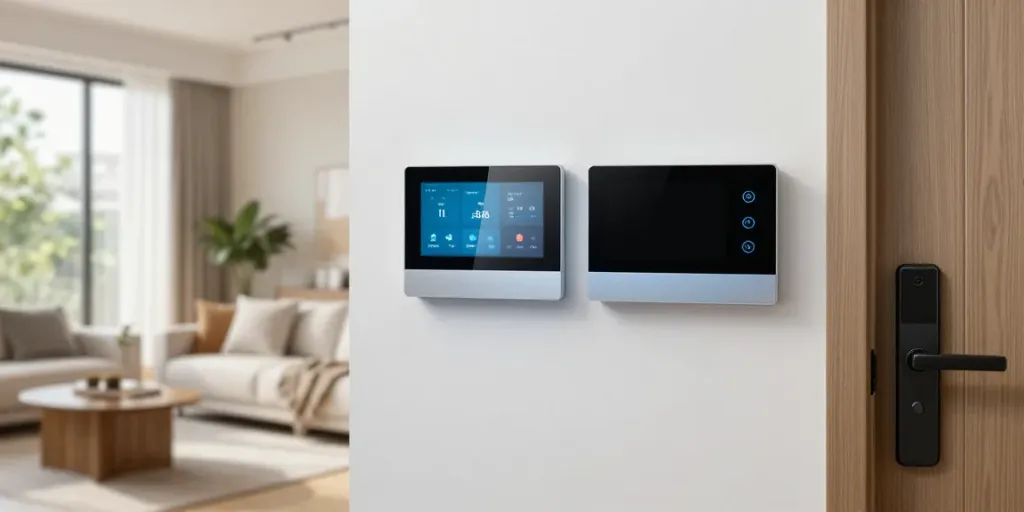
Understanding Smart Home Technology
The concept of a smart home has evolved rapidly over the past decade, transforming traditional living environments into highly integrated and automated spaces. This technological shift allows homeowners to manage their living spaces more efficiently through the use of interconnected devices that enhance convenience, security, and energy efficiency. When exploring options, خانه هوشمند جهان اسمارت provides comprehensive insights into the latest smart home solutions and technologies available today.
What is a Smart Home?
A smart home is defined as a residence that utilizes smart devices and systems to automate tasks traditionally handled by human intervention. From smart lighting and heating to security systems and home entertainment, a smart home integrates various technologies to create a seamless living experience. These systems can be controlled remotely via smartphones, tablets, or voice-activated assistants, allowing for enhanced convenience and efficiency.
Key Components of Smart Home Systems
Smart home systems consist of various components that work together to create an integrated environment. Key elements include:
- Smart Lighting: Allows homeowners to control lighting levels, colors, and schedules remotely.
- Smart Thermostats: Optimize heating and cooling systems based on user preferences and schedules, leading to energy savings.
- Smart Security Systems: Incorporate cameras, sensors, and alarms to enhance home safety.
- Home Automation Hubs: Centralized systems that connect and manage all smart devices within the home.
- Smart Appliances: Devices that can be controlled remotely, such as refrigerators, ovens, and washers/dryers.
The Benefits of Smart Home Integration
Integrating smart home technology offers numerous benefits, including:
- Increased Security: Enhanced surveillance and smart locks provide peace of mind for homeowners.
- Energy Efficiency: Smart thermostats and lighting systems can significantly reduce energy consumption.
- Convenience: Remote control and automation of tasks simplify daily routines.
- Improved Comfort: Personalized settings for lighting, heating, and entertainment create a tailored living environment.
Exploring Smart Security Solutions
As security concerns increase, smart home technologies are stepping up with innovative solutions designed to protect homes and families. Smart security systems combine advanced technology with user-friendly interfaces, making them accessible to everyone from tech-savvy individuals to those new to home automation.
Smart Locks and Their Advantages
Smart locks are becoming increasingly popular in homes due to their convenience and enhanced security features. These locks can be controlled via smartphones and allow homeowners to grant access remotely, monitor entry logs, and set temporary codes for guests.
Facial Recognition Technology in Home Security
Facial recognition technology in smart home security systems adds a layer of protection by utilizing advanced algorithms to identify individuals. This innovation not only provides enhanced security but also reduces the likelihood of unauthorized access.
How Smart Cameras Enhance Safety
Smart cameras equipped with motion detection and cloud storage capabilities allow homeowners to monitor their properties in real-time. Notifications sent to smartphones ensure that any suspicious activity is immediately addressed, enhancing overall home safety.
Smart Lighting and Audio Systems
Lighting and audio systems play a significant role in enhancing the ambiance and functionality of any home. Smart technology allows for customizable settings that adapt to homeowners' lifestyles.
Benefits of Smart Lighting Control
Smart lighting systems offer multiple advantages, including energy savings, remote access, and customizable settings that enhance mood and functionality. Users can adjust brightness and color to match their preferences at any time.
Integrating Smart Audio for Enhanced Experience
Smart audio systems enable seamless integration with various devices, providing superior sound quality and control. Homeowners can stream music, audiobooks, or podcasts throughout their spaces, creating personalized entertainment experiences.
Popular Smart Lighting and Audio Brands
Several leading brands in the market cater to smart lighting and audio needs, offering a range of products from budget-friendly to premium options. Popular brands include Philips Hue, Sonos, and Bang & Olufsen, which consistently deliver innovative solutions.
Energy Efficiency and Smart Thermostats
Energy efficiency is a crucial component of smart home technology, as it helps homeowners save money and reduce their environmental footprint. Smart thermostats, in particular, are designed to manage heating and cooling systems effectively.
How Smart Thermostats Save Energy
Smart thermostats learn user preferences, automatically adjusting temperature settings based on occupancy and time of day. This self-learning capability can lead to significant energy savings and contributes to a more sustainable home environment.
Smart Sensors for Optimal Performance
Integrating smart sensors throughout the home can optimize energy usage by detecting occupancy in different areas, allowing systems to respond accordingly. These sensors can also monitor air quality, enhancing overall comfort and health.
Case Studies of Successful Implementations
Numerous case studies illustrate the effectiveness of energy-efficient smart home systems. For instance, a recent project demonstrated a 25% reduction in energy costs after installing smart thermostats and sensors across a residential complex.
Future Trends in Smart Home Technology (2026 and Beyond)
The future of smart home technology is continuously evolving, with emerging technologies poised to shape the way we interact with our homes. By understanding these trends, homeowners can make informed decisions about their smart home investments.
Emerging Smart Home Technologies to Watch
Technologies such as artificial intelligence, blockchain, and enhanced connectivity through 5G will pave the way for even smarter homes. These innovations are expected to enable greater automation and interoperability between devices.
Innovations in Home Automation Experience
As user preferences evolve, innovations in home automation will prioritize user experience, focusing on intuitive interfaces and seamless integrations across devices.
Challenges and Considerations for Smart Home Adoption
While the benefits of smart home technology are evident, challenges such as security vulnerabilities, compatibility issues, and initial costs must be considered. Homeowners should carefully evaluate their needs and budget before implementing these technologies.
What is the Future of Smart Homes?
The future of smart homes promises to be more integrated, user-friendly, and energy-efficient, with systems that adapt to the lifestyle and needs of the homeowner. As technology evolves, so too will the opportunities for enhancing daily living through automation and connectivity.